



North Carolina Businesses Thriving with Customized CRM Tools
In recent years, businesses in North Carolina have increasingly turned to customized Customer Relationship Management (CRM) tools to enhance their operations. This shift is driven by the need for improved customer engagement, streamlined processes, and data-driven decision-making. This article explores how North Carolina businesses are thriving by leveraging tailored CRM solutions, highlighting key benefits, successful case studies, and the future of CRM technology in the region.
Understanding CRM and Its Importance
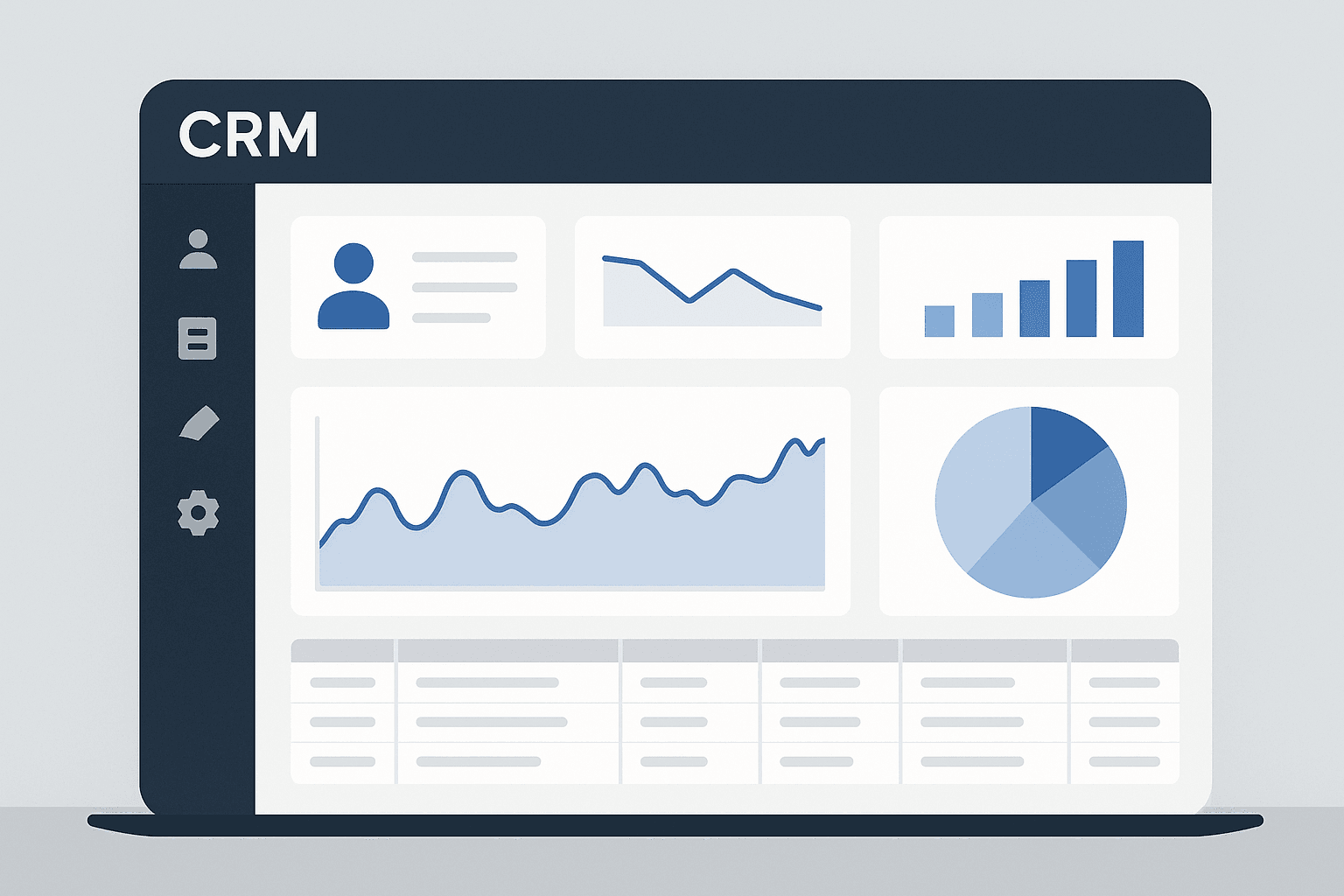
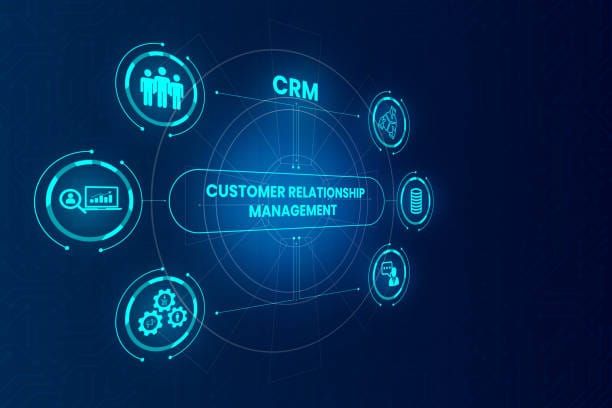
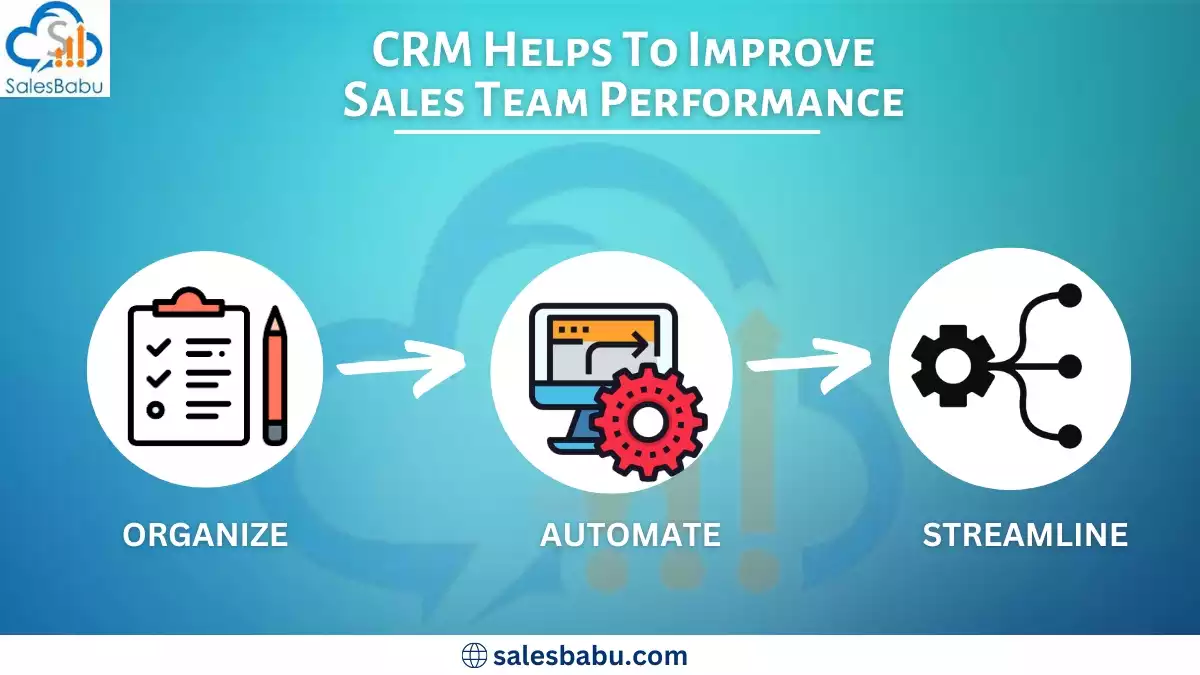
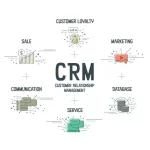
Customer Relationship Management (CRM) refers to strategies, practices, and technologies that companies use to manage and analyze customer interactions throughout the customer lifecycle. The primary goal of CRM systems is to improve business relationships with customers, assisting in customer retention and driving sales growth.Key Components of CRM:
- Data Management: Centralizes customer information for easy access and analysis.
- Sales Automation: Streamlines sales processes, helping teams focus on closing deals.
- Customer Service: Enhances support capabilities by providing a comprehensive view of customer interactions.
- Marketing Automation: Facilitates targeted marketing campaigns based on customer data.
The Rise of Customized CRM Solutions
While many businesses utilize off-the-shelf CRM software like Salesforce or HubSpot, North Carolina companies are increasingly opting for customized solutions tailored to their specific needs. This trend is particularly evident in sectors such as healthcare, finance, and technology.
Benefits of Customized CRM Tools
- Tailored Features:
Customized CRMs can include specific functionalities that cater to unique business processes, ensuring that companies can operate more efficiently. - Scalability:
As businesses grow, their needs change. Customized CRMs can be designed with scalability in mind, allowing for easy upgrades and adjustments. - Improved User Experience:
By focusing on user-friendly interfaces tailored to the organization’s workflow, employees can adapt more quickly and utilize the system effectively. - Enhanced Data Insights:
Customized solutions often incorporate advanced analytics tools that provide deeper insights into customer behavior and preferences. - Integration Capabilities:
Businesses can integrate their custom CRM with existing systems (like ERP or e-commerce platforms), creating a seamless flow of information across departments.
Case Studies: Success Stories from North Carolina
Several North Carolina businesses have successfully implemented customized CRM tools, leading to significant improvements in efficiency and customer satisfaction.
1. HealthSpace Data Systems
HealthSpace Data Systems has developed a custom CRM solution that streamlines communication between government agencies and citizens regarding health regulations. By automating data collection and reporting processes, the company has improved response times and enhanced public health outcomes across various municipalities.
2. MapAnything
MapAnything offers a unique CRM solution that integrates location-based services with traditional CRM functionalities. This tool allows businesses to visualize customer data geographically, enabling better route planning for sales teams and improving service delivery times.
3. Salesmate
Salesmate has tailored its CRM platform specifically for small to mid-sized businesses in North Carolina. By focusing on user experience and affordability, Salesmate has helped numerous local companies increase their sales productivity through automation and effective lead management.
The Future of CRM in North Carolina
As technology continues to evolve, the future of CRM in North Carolina looks promising. Emerging trends include:
- Artificial Intelligence (AI): AI-powered CRMs will enable predictive analytics, helping businesses anticipate customer needs and enhance personalization.
- Mobile Accessibility: With an increasing number of employees working remotely or on-the-go, mobile-friendly CRMs will become essential for maintaining productivity.
- Integration with IoT: The Internet of Things (IoT) will allow CRMs to gather real-time data from connected devices, offering deeper insights into customer behavior.
- Focus on Customer Experience: Future CRMs will prioritize enhancing the overall customer experience through personalized interactions and proactive service offerings.
Challenges in Implementing Customized CRMs
Despite the advantages of customized CRM solutions, businesses may face challenges during implementation:
- Cost Considerations:
Developing a custom CRM can be more expensive than purchasing off-the-shelf software. Companies must weigh the long-term benefits against initial costs. - Time Investment:
Customization requires time for development and testing. Businesses must be prepared for potential delays during this phase. - User Adoption:
Employees may resist transitioning to a new system if they are not adequately trained or if the new tool does not align with their workflows. - Maintenance Needs:
Customized solutions require ongoing maintenance and updates to ensure they remain relevant as business needs evolve.
Conclusion
North Carolina businesses are increasingly recognizing the value of customized CRM tools as a means to enhance operational efficiency and improve customer relationships. By investing in tailored solutions that meet their specific needs, these companies are not only thriving but also setting themselves up for future success in an ever-evolving marketplace. As technology continues to advance, it will be crucial for businesses to stay ahead by adopting innovative CRM strategies that foster growth and enhance customer satisfaction.For more information on how customized CRM tools can benefit your business or explore additional resources related to CRM development in North Carolina, visit this link.Written by Domingo Hernández