

Author: Domingo H.C
Published on: December 10, 2025
Introduction: Why CRM Software Is a High-Value Digital Asset
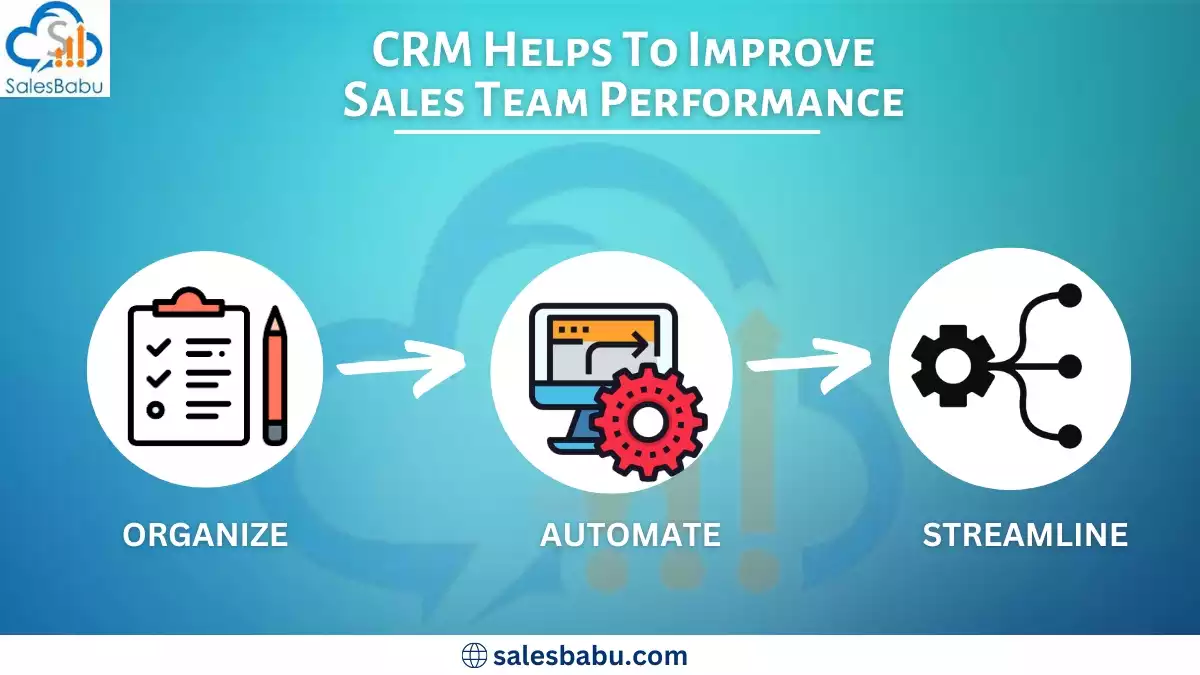
In today’s competitive digital economy, CRM software (Customer Relationship Management software) has become one of the most valuable tools for businesses of all sizes. From startups to enterprise-level corporations, companies rely on CRM platforms to manage customer data, automate sales processes, improve marketing performance, and increase long-term profitability.
CRM software operates at the intersection of sales technology, marketing automation, data analytics, customer experience, and business intelligence—which is why it attracts high-paying advertisers in industries such as SaaS, cloud computing, fintech, enterprise software, AI solutions, and digital transformation.
This guide explains what CRM software is, how it works, why it matters, and how businesses use it to scale revenue efficiently.
What Is CRM Software?

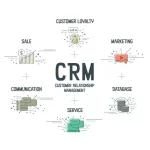
CRM software is a digital platform designed to help businesses manage interactions with customers, leads, and prospects throughout the entire customer lifecycle. It centralizes customer data and provides tools for sales, marketing, customer support, and management teams.
A modern CRM system stores and organizes:
-
Contact information
-
Sales pipelines
-
Customer communication history
-
Marketing campaigns
-
Customer support tickets
-
Purchase behavior
-
Analytics and performance metrics
Instead of using spreadsheets or disconnected tools, companies use CRM software to maintain a single source of truth for customer data.
Why CRM Software Is Critical for Business Growth
CRM software directly impacts revenue generation and operational efficiency. Businesses that implement CRM platforms correctly often see:
-
Higher conversion rates
-
Improved customer retention
-
Shorter sales cycles
-
Better marketing ROI
-
Stronger customer loyalty
-
Scalable operations
According to industry research, companies using CRM software increase sales productivity by up to 34% and improve forecast accuracy significantly.
This performance-driven impact is one of the reasons CRM-related content attracts enterprise advertisers with high CPM budgets.
Core Features of Modern CRM Software
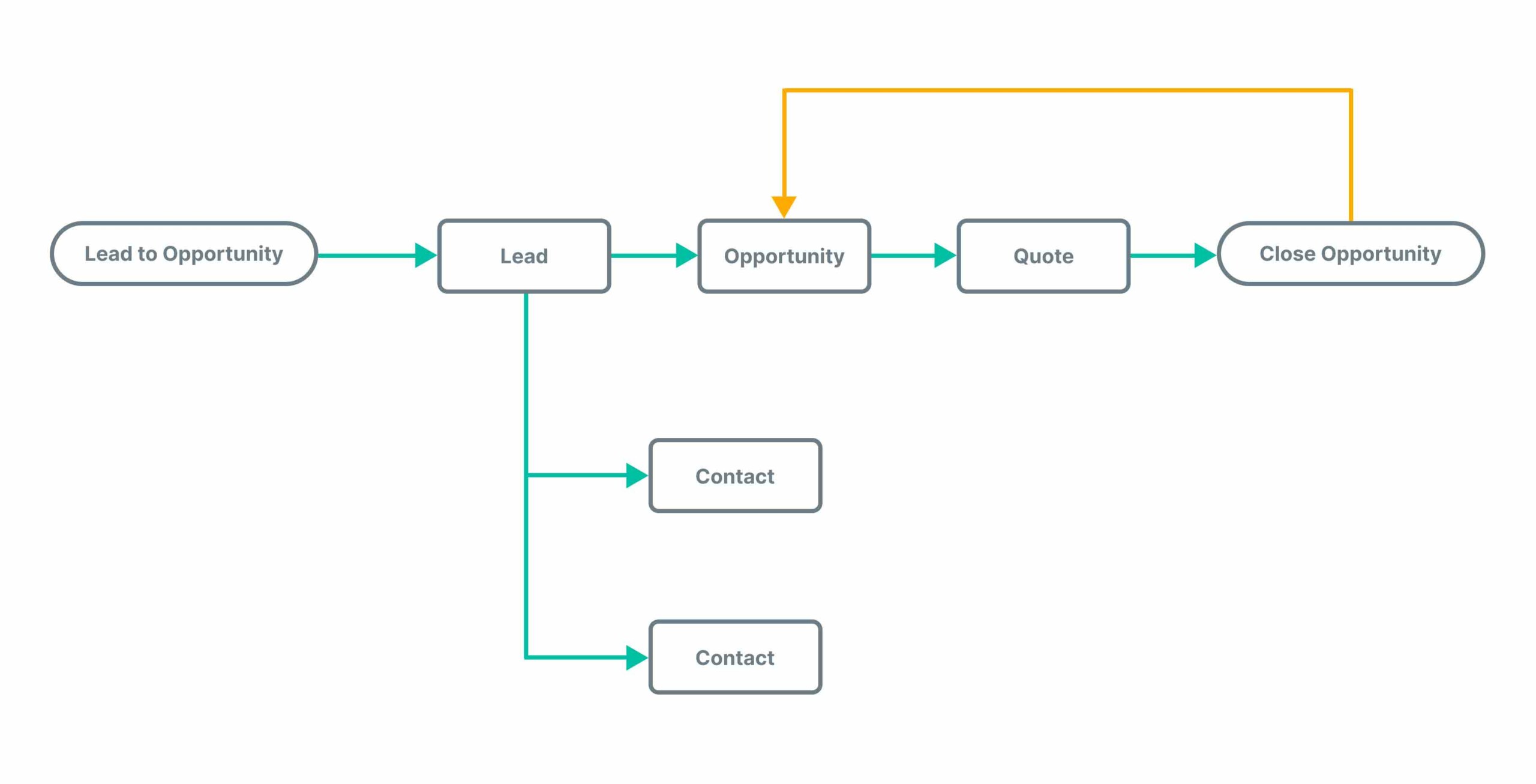
1. Sales Automation
CRM software automates lead tracking, follow-ups, deal stages, and pipeline management. Sales teams can prioritize high-value prospects and close deals faster.
2. Marketing Automation
Advanced CRM platforms integrate email marketing, lead nurturing, segmentation, and campaign tracking—helping marketers personalize outreach at scale.
3. Customer Support Management
CRM tools centralize customer service tickets, chat history, and support interactions, improving response times and customer satisfaction.
4. Analytics and Reporting
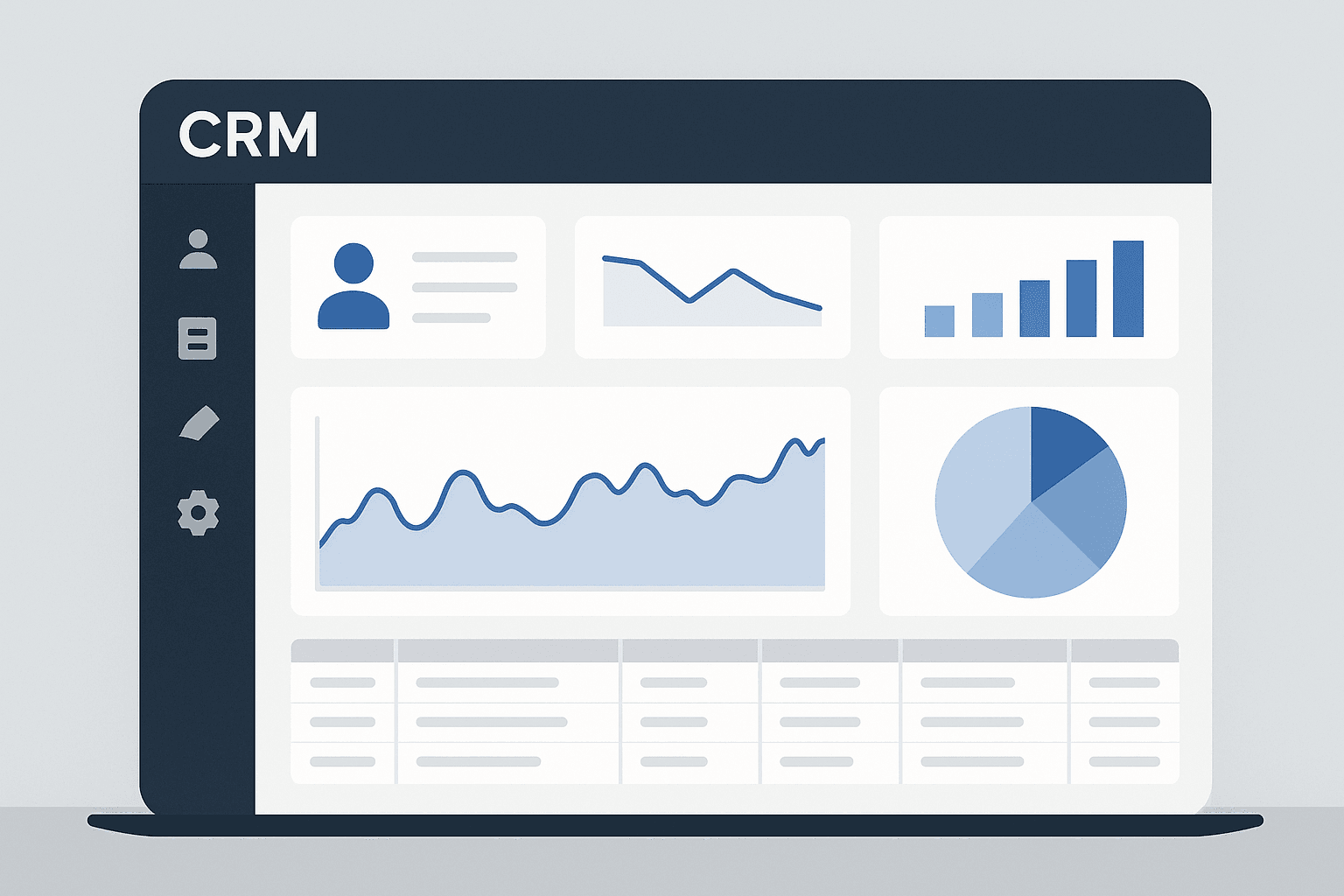
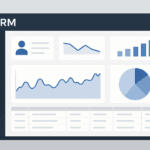
Dashboards provide real-time insights into sales performance, customer behavior, revenue forecasts, and marketing effectiveness.
5. Workflow Automation
Businesses automate repetitive tasks such as data entry, follow-up emails, reminders, and internal notifications—saving time and reducing errors.
Types of CRM Software
Operational CRM
Focuses on automating sales, marketing, and service processes.
Analytical CRM
Analyzes customer data to identify trends, behavior patterns, and opportunities.
Collaborative CRM
Improves communication between departments and external partners.
Many enterprise CRM platforms combine all three types into a single solution.
Cloud-Based CRM vs On-Premise CRM
Cloud-Based CRM (SaaS)
-
Hosted online
-
Subscription-based
-
Accessible from anywhere
-
Scalable and secure
-
Lower upfront costs
On-Premise CRM
-
Installed locally
-
Higher maintenance costs
-
Limited scalability
-
Requires IT infrastructure
Most modern businesses choose cloud-based CRM platforms due to flexibility, security, and integration capabilities.
CRM Software for Sales Teams

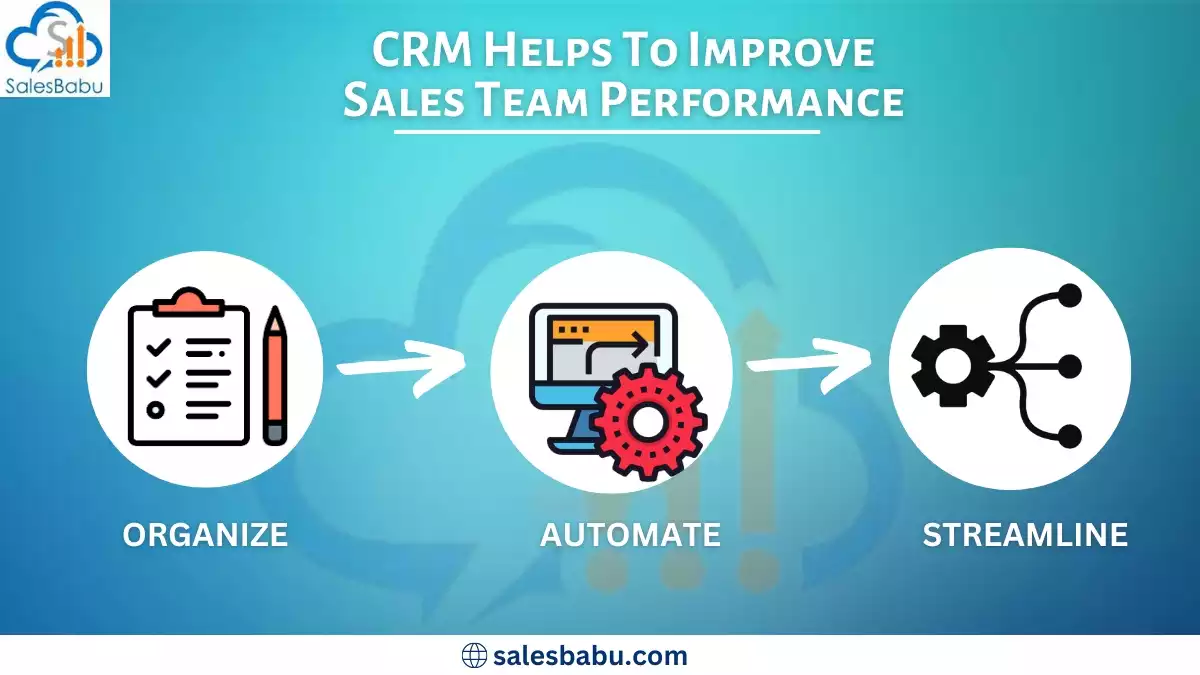
Sales-driven CRM systems help teams:
-
Track leads and opportunities
-
Automate follow-ups
-
Forecast revenue
-
Improve closing rates
-
Manage commissions
High-value CRM keywords such as sales pipeline software, enterprise sales CRM, and B2B CRM platform are especially attractive to SaaS advertisers.
CRM Software for Marketing and Customer Experience
CRM platforms enable personalized customer journeys by connecting marketing campaigns with real customer data. Marketers can:
-
Segment audiences
-
Track engagement
-
Measure lifetime value
-
Optimize customer acquisition costs
This makes CRM software essential for digital marketing optimization, a niche with consistently high CPM rates.
CRM Software Security and Data Protection
Enterprise CRM solutions invest heavily in:
-
Data encryption
-
GDPR and CCPA compliance
-
Role-based access control
-
Secure cloud infrastructure
-
Regular security audits
Data security and compliance are major decision factors for corporations, making CRM security a premium advertising topic.
Industries That Rely on CRM Software
CRM platforms are widely used in:
-
Finance and banking
-
Real estate
-
Healthcare
-
SaaS and technology
-
E-commerce
-
Insurance
-
Professional services
These industries are known for high advertising budgets and premium CPC/CPM bids.
How CRM Software Drives Long-Term Profitability
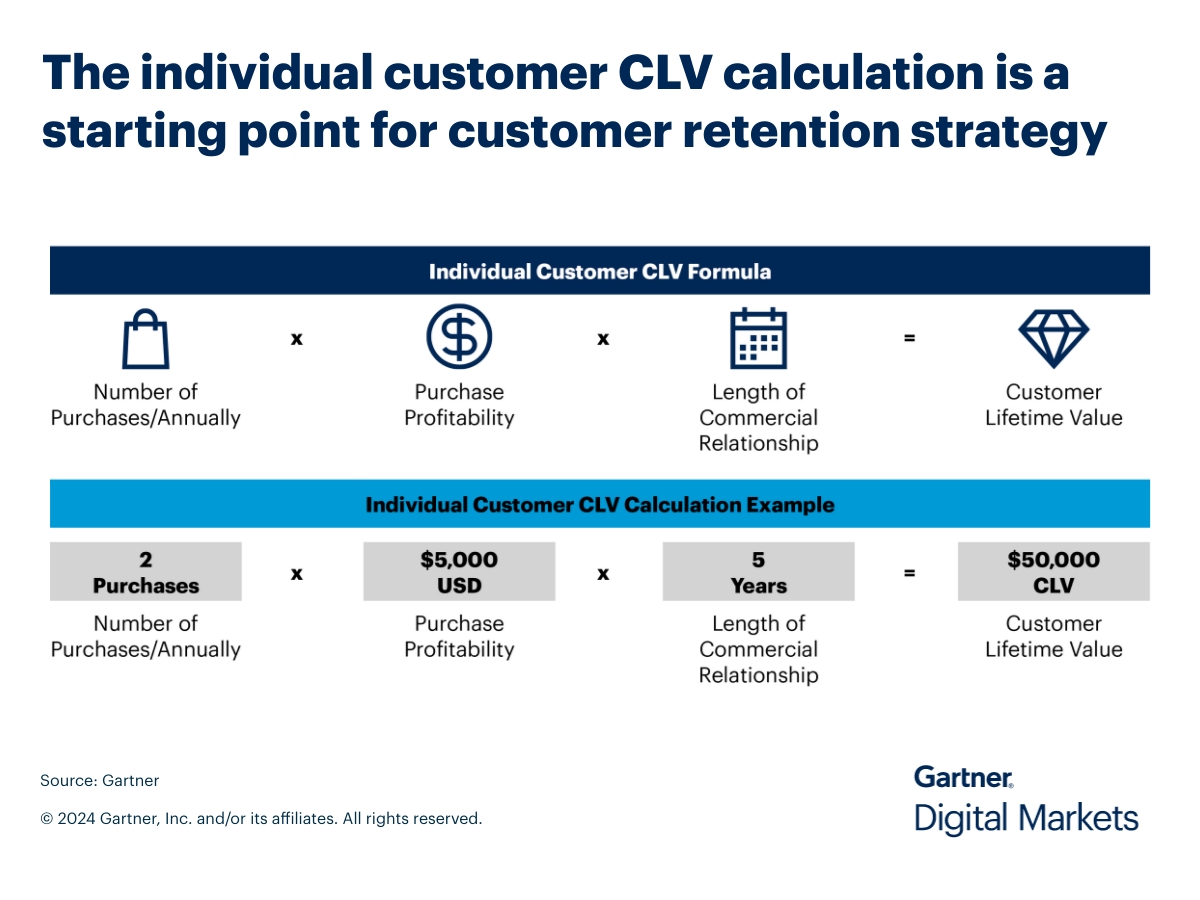
CRM software focuses on long-term relationships rather than one-time transactions. By increasing customer lifetime value (CLV) and retention, businesses reduce acquisition costs and stabilize revenue streams.
This long-term focus is why investors, executives, and enterprise advertisers prioritize CRM-driven growth strategies.
Conclusion: CRM Software as a High-Value Digital Topic
CRM software is no longer optional—it is a core business infrastructure. It connects data, teams, and customers into a unified ecosystem that drives efficiency, revenue, and loyalty.
For content creators and publishers, CRM software represents a premium content category that attracts advertisers from SaaS, fintech, cloud services, AI, and enterprise technology—making it ideal for high-CPM monetization.
Final Call to Action
👉 Looking to scale your business, improve customer relationships, or implement a modern CRM solution?
Explore more in-depth guides and technology insights on Haroon E-Store and stay ahead in the digital economy.