Author: Domingo H.C
Published on: December 10, 2025
Introduction: CRM Software as a Strategic Business Asset
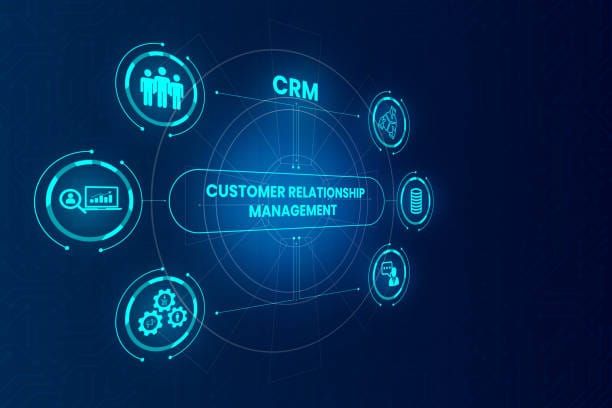
CRM software is no longer limited to storing customer contact information. In modern businesses, Customer Relationship Management (CRM) software functions as a strategic engine that connects data, teams, and technology to drive sustainable revenue growth.
Companies across industries now rely on CRM platforms to analyze customer behavior, automate operations, predict sales outcomes, and improve long-term customer value. Because CRM software sits at the center of digital transformation, it attracts advertisers from enterprise SaaS, cloud infrastructure, AI platforms, cybersecurity, fintech, and business consulting, making it an ideal topic for high-CPM monetization.
This article explores how CRM software is used strategically, how it supports executive decision-making, and why it remains one of the most valuable enterprise technologies in 2025.
What Is Strategic CRM Software?
Strategic CRM software focuses on long-term customer relationships and data-driven planning, rather than short-term sales activity. It integrates customer data from multiple channels and transforms it into actionable insights.
A strategic CRM platform enables businesses to:
-
Understand customer lifetime value (CLV)
-
Identify profitable customer segments
-
Predict future buying behavior
-
Optimize pricing and retention strategies
-
Align sales, marketing, and service teams
Unlike basic CRM tools, strategic CRM systems are designed for executive-level planning and growth optimization.
CRM Software and Data-Driven Decision Making
Data is the most valuable asset in modern business. CRM software acts as a central data intelligence hub, consolidating customer interactions, transactions, and engagement metrics.
CRM analytics help executives:
-
Measure sales performance in real time
-
Forecast revenue accurately
-
Identify churn risks early
-
Allocate marketing budgets efficiently
-
Track return on investment (ROI)
Businesses that adopt data-driven CRM strategies consistently outperform competitors who rely on intuition alone.
CRM Software and Revenue Operations (RevOps)
Revenue Operations (RevOps) is a rapidly growing business discipline that aligns sales, marketing, and customer success around shared data and goals. CRM software is the foundation of any successful RevOps strategy.
CRM-powered RevOps allows companies to:
-
Eliminate data silos
-
Improve lead-to-customer conversion
-
Increase upsell and cross-sell opportunities
-
Shorten sales cycles
-
Improve customer retention
This alignment significantly improves revenue predictability and scalability.
CRM Automation and Operational Efficiency
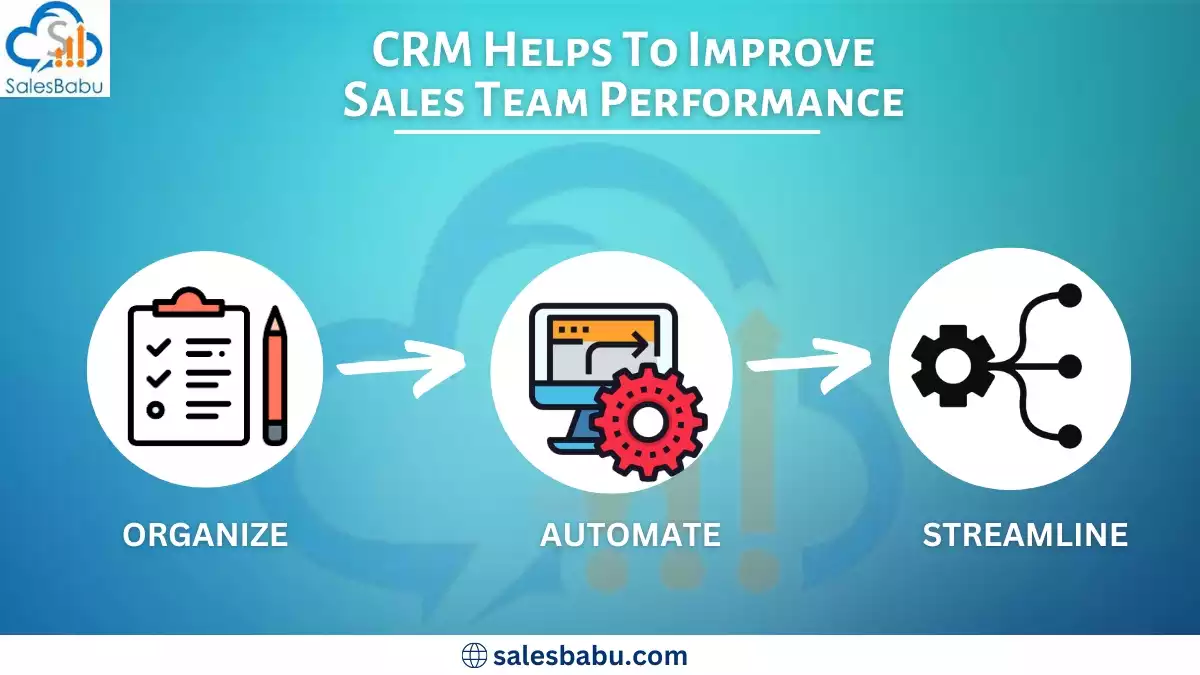
Automation is one of the most powerful features of modern CRM platforms. By automating repetitive tasks, businesses reduce operational costs and human error.
CRM automation commonly includes:
-
Automated lead assignment
-
Email and follow-up sequences
-
Task reminders and alerts
-
Contract and document workflows
-
Customer onboarding processes
Automation allows teams to focus on high-value activities such as strategy, negotiation, and customer relationships.
Artificial Intelligence in CRM Software
Artificial intelligence has transformed CRM software from a reactive tool into a predictive decision platform. AI-powered CRM systems analyze historical data to forecast future outcomes.
Key AI-driven CRM capabilities include:
-
Predictive lead scoring
-
Sales forecasting
-
Personalized recommendations
-
Churn prediction
-
Intelligent chatbots
The combination of CRM + AI + automation represents one of the highest-value enterprise technology categories today.
CRM Software for Executive Leadership
CRM platforms are no longer used only by sales teams. Executives rely on CRM dashboards to monitor key performance indicators (KPIs) such as:
-
Revenue growth
-
Customer acquisition cost (CAC)
-
Customer lifetime value (CLV)
-
Sales velocity
-
Market segmentation performance
This visibility enables leaders to make informed strategic decisions quickly.
CRM Software and Customer Retention Strategy
Retaining existing customers is often more profitable than acquiring new ones. CRM software helps businesses design proactive retention strategies by identifying behavioral patterns that signal churn risk.
CRM-driven retention strategies include:
-
Personalized engagement
-
Loyalty programs
-
Proactive customer support
-
Targeted upsell offers
-
Data-driven customer success initiatives
Improving retention directly increases long-term profitability.
Security, Compliance, and Trust in CRM Platforms
Trust is critical when handling customer data. Enterprise CRM platforms invest heavily in:
-
Data encryption
-
Access controls
-
GDPR and CCPA compliance
-
Secure cloud infrastructure
-
Continuous monitoring
Security-focused CRM content attracts advertisers from cybersecurity, compliance software, cloud services, and enterprise IT, all known for high CPMs.
Industries Driving High CRM Investment
CRM adoption is strongest in industries with high customer value, including:
-
Financial services
-
Insurance
-
Real estate
-
Healthcare
-
SaaS and technology
-
Professional consulting
-
E-commerce
These industries allocate large budgets to CRM platforms and related advertising.
Why CRM Software Content Delivers High CPM
CRM software content attracts premium advertisers because:
-
Products are high-ticket (SaaS subscriptions)
-
Customers are businesses, not individuals
-
Sales cycles are long and valuable
-
Advertisers compete aggressively for visibility
As a result, CRM-related pages consistently deliver higher CPM and CPC rates compared to general consumer topics.
Conclusion: CRM Software as a Long-Term Growth Platform
CRM software has evolved into a strategic platform that supports data-driven decision-making, automation, customer retention, and revenue growth. Businesses that invest in CRM as a core system gain long-term competitive advantages.
For content publishers, CRM software represents a high-value, evergreen topic that aligns perfectly with Google Ad Manager monetization strategies.
Final Call to Action
👉 Want to understand how CRM software can improve business performance, customer relationships, and revenue growth?
Explore more in-depth business and technology insights on Haroon E-Store and stay informed.