CRM Strategies Transforming Pennsylvania’s Small Business Landscape
In recent years, Customer Relationship Management (CRM) strategies have emerged as pivotal tools for small businesses in Pennsylvania. These strategies not only enhance customer interactions but also streamline operations, ultimately driving growth and sustainability. This article delves into how CRM systems are reshaping the landscape for small businesses across the state, highlighting their benefits, implementation strategies, and the unique challenges faced by local entrepreneurs.
Understanding CRM: A Foundation for Small Businesses
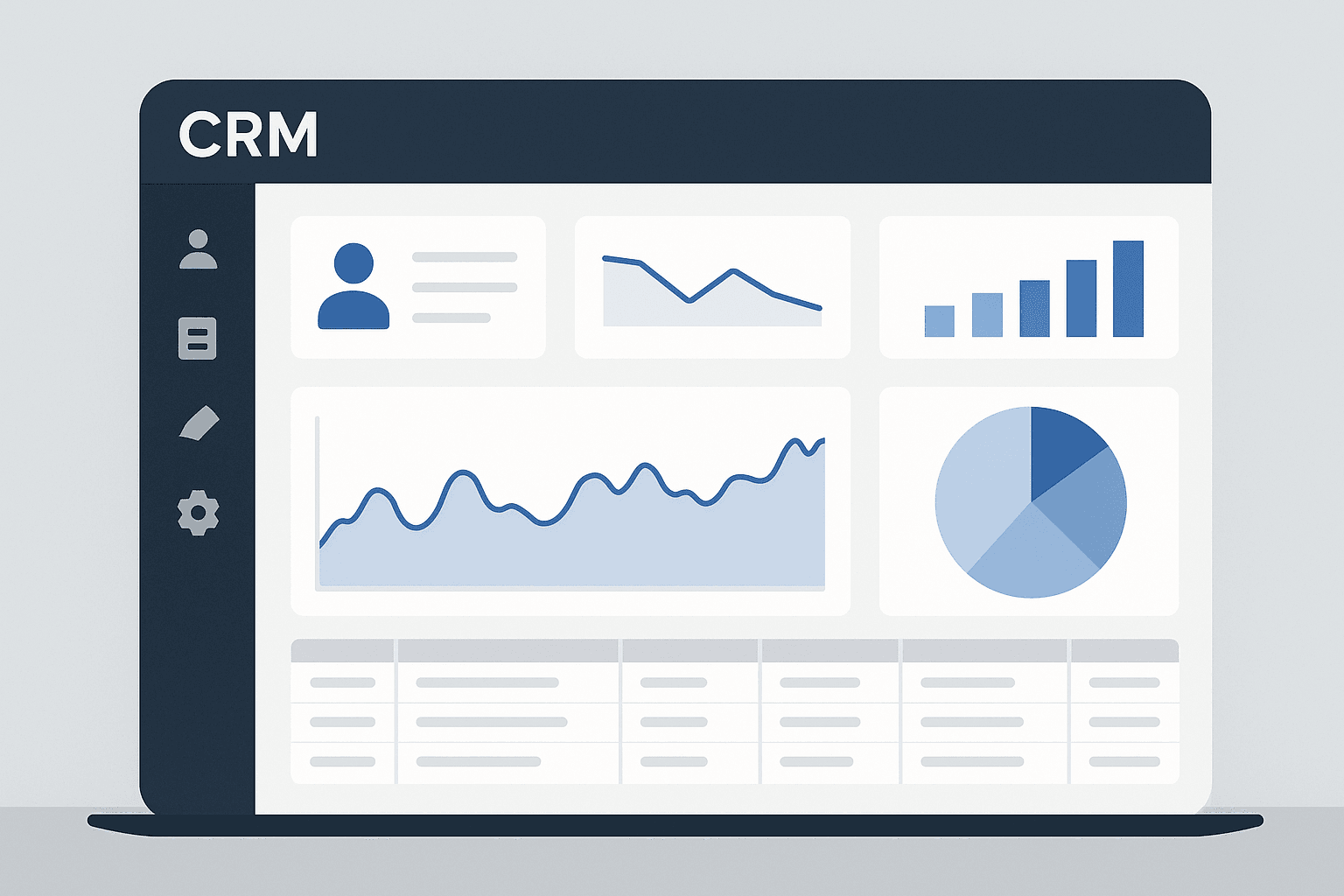
What is CRM?Customer Relationship Management (CRM) is a technology-driven approach that helps businesses manage their interactions with current and potential customers. By utilizing data analysis about customers’ history with a company, CRM systems facilitate improved business relationships, focusing on customer retention and ultimately driving sales growth.Key Components of CRM
- Data Management: Centralizes customer information to provide a comprehensive view of interactions.
- Sales Management: Tracks sales processes and customer interactions to enhance efficiency.
- Marketing Automation: Automates marketing tasks to improve outreach and engagement.
- Customer Support: Enhances service delivery through better tracking of customer issues and histories.
The Impact of CRM on Pennsylvania’s Small Businesses
Enhancing Customer Engagement
One of the most significant advantages of implementing a CRM system is the enhancement of customer engagement. In Pennsylvania, small businesses are increasingly recognizing that personalized communication can lead to higher satisfaction rates. For instance, businesses can segment their customer base and tailor marketing messages based on specific needs or behaviors.
Streamlining Operations
CRM systems help streamline various business operations by automating routine tasks such as data entry, follow-ups, and reporting. This automation allows small business owners to focus more on strategic initiatives rather than getting bogged down in administrative tasks.
Data-Driven Decision Making
With access to detailed analytics and reporting features provided by CRM systems, small businesses can make informed decisions based on real-time data. This capability is crucial in a competitive market like Pennsylvania, where understanding customer preferences can significantly impact sales strategies.
Implementing CRM Strategies: Best Practices for Small Businesses
1. Selecting the Right CRM Software
Choosing the right CRM software is critical for success. Small businesses in Pennsylvania should consider factors such as:
- Affordability: Many CRM solutions offer tiered pricing models suitable for small budgets.
- Scalability: The chosen system should be able to grow with the business.
- User-Friendliness: A simple interface encourages adoption among employees.
Some popular CRM options for small businesses include ZohoCRM, HubSpot, and Salesforce, which offer various features tailored to different business needs.
2. Training Employees
Effective training is essential to ensure that employees can leverage the full capabilities of the CRM system. Regular training sessions can help staff become proficient in using the software, thereby maximizing its benefits.
3. Integrating with Existing Systems
For many small businesses, integrating CRM software with existing tools (like accounting or email marketing platforms) can enhance functionality and streamline processes. This integration allows for a seamless flow of information across different departments.
4. Focusing on Customer Feedback
Utilizing customer feedback collected through the CRM system can provide insights into areas needing improvement. Regularly analyzing this feedback helps businesses adapt their services to meet changing customer expectations.
Challenges Faced by Small Businesses in Pennsylvania
While the benefits of CRM systems are substantial, small businesses in Pennsylvania face several challenges during implementation:
Limited Resources
Many small businesses operate on tight budgets and may struggle to allocate funds for CRM software or training programs. However, numerous affordable options exist that cater specifically to smaller enterprises.
Resistance to Change
Employees accustomed to traditional methods may resist adopting new technologies. Overcoming this resistance requires effective change management strategies that emphasize the benefits of CRM systems.
Data Privacy Concerns
As small businesses collect more customer data through CRMs, they must ensure compliance with data protection regulations such as GDPR or CCPA. Implementing robust security measures is essential to protect sensitive information.
Case Studies: Successful CRM Implementations in Pennsylvania
Example 1: Local Retailer Boosts Sales Through Personalized Marketing
A small retail store in Pittsburgh implemented a CRM system that allowed them to track customer purchase histories and preferences. By using this data to send targeted promotions via email, they saw a 30% increase in repeat purchases over six months.
Example 2: Service Provider Enhances Customer Satisfaction
A landscaping business in Harrisburg adopted a CRM solution that streamlined their scheduling and invoicing processes. As a result, they improved their response time to customer inquiries by 40%, significantly enhancing overall customer satisfaction.
Future Trends in CRM for Small Businesses
As technology evolves, so too do the capabilities of CRM systems. Emerging trends include:
- Artificial Intelligence (AI): AI-driven analytics will provide deeper insights into customer behavior.
- Mobile Accessibility: Increasingly mobile-friendly platforms will allow business owners to manage relationships on-the-go.
- Integration with Social Media: Enhanced integration with social media platforms will enable businesses to engage customers where they spend most of their time online.
Conclusion
CRM strategies are transforming the landscape for small businesses in Pennsylvania by enhancing customer engagement, streamlining operations, and enabling data-driven decision-making. While challenges exist, the potential benefits far outweigh them when implemented effectively. As technology continues to advance, small businesses that embrace these changes will likely thrive in an increasingly competitive environment.For further reading on how small businesses can leverage technology for growth, consider exploring additional resources from local business development centers or industry-specific workshops.